Master Video Content Research Workflow for Faster Insights


Every American researcher knows the challenge of sifting through countless hours of video for meaningful insights. With video now making up over 80 percent of all consumer internet traffic worldwide, learning how to work smarter with video content has become a must. This guide offers practical steps that help you identify objectives, organize tools, and extract reliable knowledge efficiently, so your next research project delivers results without the stress.
Table of Contents
- Step 1: Define Objectives And Choose Target Videos
- Step 2: Organize Viewing And Summary Tools Efficiently
- Step 3: Summarize Key Points Using Summyt
- Step 4: Extract And Store Actionable Insights
- Step 5: Verify Findings For Relevance And Accuracy
Quick Summary
| Key Point | Explanation |
|---|---|
| 1. Define clear research objectives | Identify specific knowledge you wish to gain from video content to guide your research process effectively. |
| 2. Select high-quality video sources | Prioritize content from verified experts and respected institutions that align with your defined objectives for maximum value. |
| 3. Organize research tools strategically | Create a dedicated workspace with digital tools to enhance your video research process and streamline information extraction. |
| 4. Use SummYT for effective summarization | Leverage AI features to distill complex video content into concise notes, ensuring to cross-reference for accuracy. |
| 5. Validate insights rigorously | Implement a multi-layered verification process comparing findings with additional sources to ensure reliability and accuracy of your research. |
Step 1: Define objectives and choose target videos
Researching video content requires strategic planning before diving into actual video selection. Your primary goal is to identify precise learning objectives that will guide your entire research workflow and help you extract maximum value from selected videos.
Start by clearly defining what specific knowledge or insights you want to gain. This might involve understanding complex industry trends, learning technical skills, analyzing expert perspectives, or gathering research data for a project. Break down your objectives into specific, measurable goals. For instance, if you aim to understand marketing strategies, you might want to learn about specific video content research techniques that help professionals quickly extract actionable insights.
When choosing target videos, prioritize high quality sources that directly align with your objectives. Look for content from verified experts, academic institutions, professional conferences, and recognized industry leaders. Pay attention to video length, publication date, creator credentials, and viewer engagement metrics. A 20 minute in depth tutorial from a respected professional will typically provide more value than multiple shallow 3 minute overview videos.
Pro tip: Always cross reference multiple video sources to validate information and gain comprehensive understanding. No single video should be treated as the ultimate source of truth.
With clear objectives and carefully selected videos, you are now ready to move into the next phase of your video content research workflow.
Step 2: Organize viewing and summary tools efficiently
Effective video research requires a strategic approach to organizing your tools and workflow. Academic researchers have demonstrated that systematic tool selection can dramatically improve research efficiency.
Begin by creating a dedicated workspace with digital tools that streamline your video research process. This includes browser extensions for quick note taking, screen recording software, summary generators, and cloud storage platforms for saving key insights. Research indicates that having a well integrated toolkit can reduce cognitive load and help you focus on extracting meaningful information.

Consider developing a standardized workflow where each tool serves a specific purpose. Screen recording tools can capture important segments, annotation apps help highlight key points, and summary platforms like SummYT can quickly distill complex video content into concise notes. The goal is creating a seamless system that allows you to move between research stages without unnecessary friction.
Pro tip: Always test and experiment with different tools before committing to a full workflow. What works perfectly for one researcher might not suit another’s specific research needs.
With your tools organized and workflow streamlined, you are now prepared to dive deep into efficient video content analysis.
Step 3: Summarize key points using SummYT
Turning video content into actionable insights requires strategic summarization techniques. Modern AI technologies have revolutionized how we extract key information from video sources, making research more efficient and targeted.
Leverage SummYT’s AI powered summarization features to quickly distill complex video content into concise, meaningful notes. The platform uses advanced algorithms to identify and extract the most important concepts, key arguments, and critical information from your selected videos. Comprehensive summary techniques help you transform lengthy video content into digestible insights that can be easily reviewed, shared, and integrated into your research workflow.
When using SummYT, focus on reviewing the generated summary critically. While AI tools provide excellent starting points, always cross reference the summary with the original video to ensure accuracy and capture nuanced details that might have been missed. Pay special attention to key timestamps, main arguments, and supporting evidence within the summary.
Pro tip: Use the summary as a strategic research tool not just for note taking but for identifying specific segments you might want to revisit or explore more deeply in the original video.
With your key points summarized, you are now ready to analyze and synthesize the information for your specific research objectives.
Step 4: Extract and store actionable insights
Transforming video insights into a usable knowledge base requires strategic documentation and organization. Effective insight extraction goes beyond simple note taking and focuses on creating a structured system for capturing and retrieving valuable information.
Begin by developing a consistent method for annotating and storing your key takeaways. Content summarization techniques can help you systematically categorize insights based on themes, relevance, and potential application. Use digital tools like cloud based note taking platforms or specialized research management software that allow tagging, highlighting, and cross referencing of your extracted information.
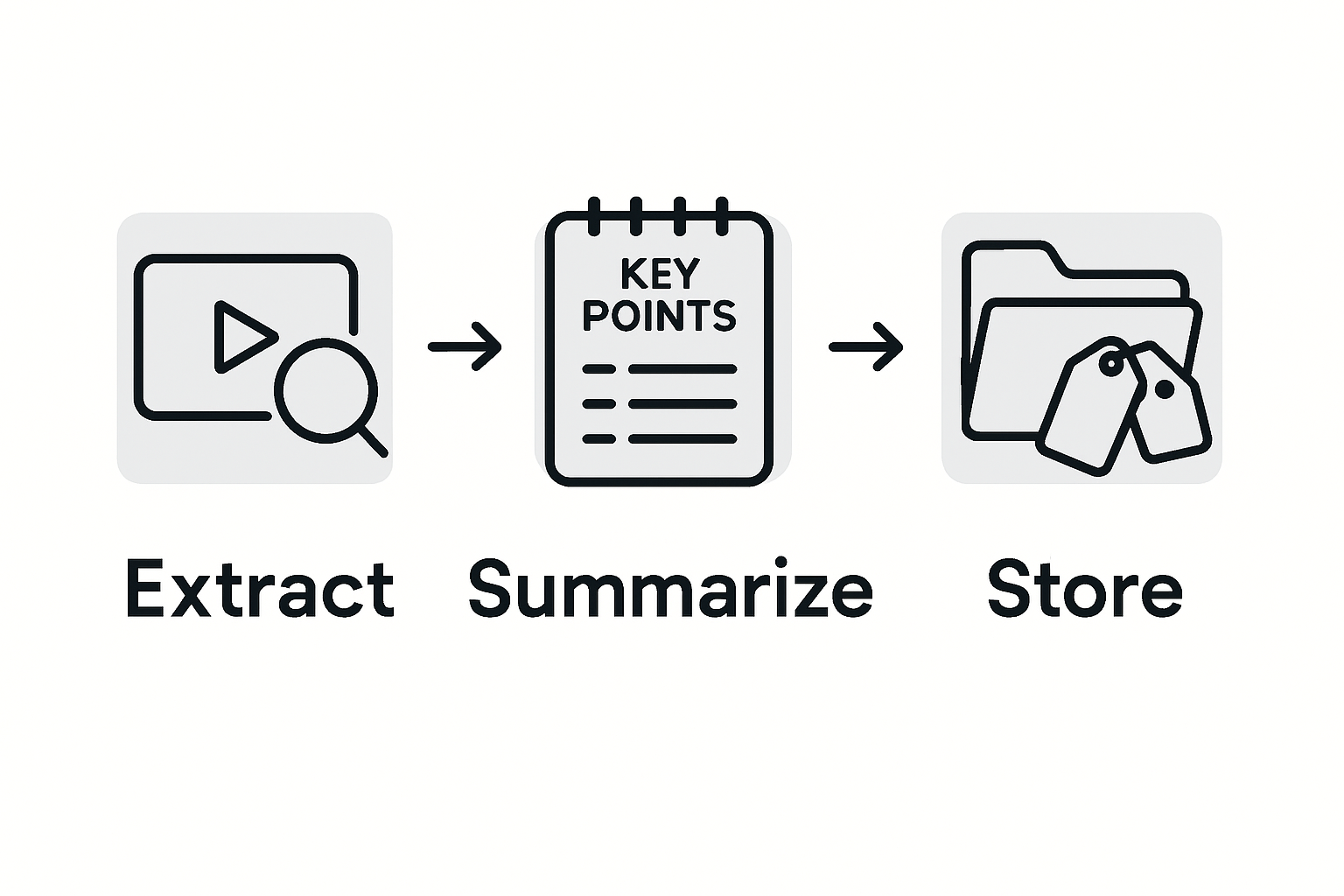
When documenting insights, focus on capturing not just the information itself but its context and potential implications. Include timestamp references, direct quotes, and your personal analysis or reflections. This approach transforms passive note taking into an active learning process where each insight becomes a potential catalyst for deeper understanding or future research.
Pro tip: Create a standardized template for recording insights that includes fields for source, key points, personal observations, and potential applications. This structured approach will help you build a more valuable and easily navigable knowledge repository.
With your actionable insights systematically extracted and stored, you are now prepared to synthesize and apply your research findings.
Step 5: Verify findings for relevance and accuracy
Cross referencing and validating your video research insights is a critical step in ensuring the integrity and usefulness of your findings. Systematic verification techniques help transform raw information into reliable research material that can withstand rigorous scrutiny.
Implement a multi layered verification process that goes beyond surface level fact checking. Compare insights from your selected video with additional sources including academic publications, expert commentaries, and peer reviewed research. Look for consistent themes, corroborating evidence, and potential contradictions that might indicate areas requiring deeper investigation.
Develop a critical evaluation framework that assesses insights across multiple dimensions. Consider the credibility of the original video source, the expertise of the presenter, publication date, supporting evidence, and potential biases. Pay special attention to claims that seem extraordinary or counterintuitive, and seek additional verification from reputable sources.
Pro tip: Create a verification scorecard that helps you objectively rate the reliability of each key insight. Include criteria such as source credibility, supporting evidence, expert consensus, and potential limitations or contextual considerations.
With your findings thoroughly verified and validated, you are now prepared to synthesize and draw meaningful conclusions from your video research.
Accelerate Your Video Research Workflow with SummYT
If you have ever struggled to efficiently extract key insights from lengthy videos or faced the challenge of organizing complex content across multiple platforms, you are not alone. This article highlights common pain points such as managing overwhelming video material, verifying findings, and summarizing crucial points effectively. SummYT directly addresses these obstacles by offering an AI-powered YouTube summarizer that transforms hours of viewing into clear, concise notes tailored to your needs.
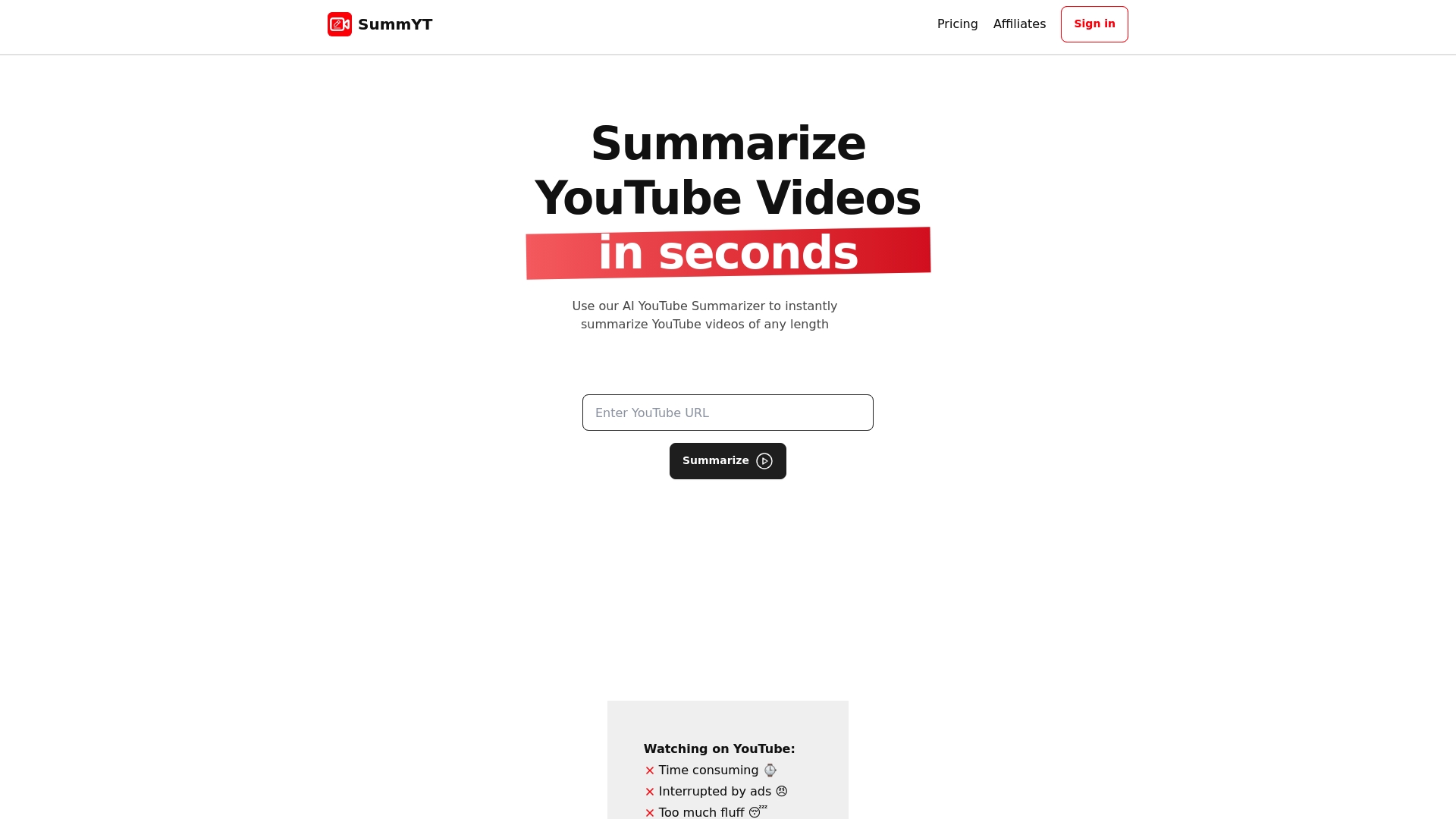
Experience a smarter way to master video content research workflows. With SummYT, you can instantly generate summaries from lectures, webinars, and tutorials so you can focus on analysis without wasting time watching full videos. Start using SummYT today to streamline your learning process, improve productivity, and unlock faster insights by visiting SummYT official site. Discover how easy research becomes when you harness the power of AI for summarization and note taking at SummYT.
Frequently Asked Questions
How do I define my objectives for video content research?
To define your objectives, identify the specific knowledge or insights you want to gain from the videos. Break these down into measurable goals, such as understanding specific industry trends or learning particular technical skills. This clarity will guide your entire video selection process and maximize your insights.
What criteria should I use to choose target videos?
When choosing target videos, prioritize high-quality sources that align with your research objectives. Look for content from verified experts or reputable institutions, and consider factors like video length, publication date, and viewer engagement metrics to ensure you’re selecting the best material for your workflow.
How can I effectively organize my video research tools?
To organize your video research tools effectively, create a dedicated workspace that includes software for note-taking, screen recording, and summarizing insights. Standardize your workflow by assigning specific tasks to each tool, which will streamline your research process and help you stay focused on your objectives.
What techniques should I use to summarize video content?
When summarizing video content, leverage summarization tools to distill complex information into concise notes. Focus on generating summaries that highlight key concepts, timestamps, and supporting evidence, and always cross-reference them with the original video for accuracy and depth.
How can I ensure the accuracy of my research findings?
To ensure the accuracy of your research findings, implement a multi-layered verification process. Compare insights from your videos with additional reputable sources and develop a critical evaluation framework to assess credibility, expertise, and supporting evidence for each insight.
What steps should I take to document actionable insights?
To document actionable insights, develop a consistent method for annotating key takeaways, including context and potential implications. Use structured templates that allow you to categorize and reference your insights easily, transforming passive note-taking into a dynamic tool for deeper understanding.
Recommended
- Video Content Analysis: Everything You Need to Know
- Master Step by Step Video Analysis for Impactful Insights
- 7 Essential Productivity Tools for Marketers to Save Time
- 10 Essential Tips for Efficient Video Research
- 7 Key Digital Marketing Trends 2025 for Malaysian Buyers - Projector Display