
Topic
Education
Browse lectures, study topics, teaching material, and explanatory summaries.

A practical walkthrough for researching any topic like a PhD student: narrow a question, run a systematic literature hunt, build a knowledge network, and turn findings into active outputs.

A 20‑hour masterclass that teaches how belief, identity, state, and systems combine to accelerate results—practical protocols for rewiring mindset and execution.

A deep dive into Gen Alpha's literacy crisis: teacher testimonies, NAEP data, pandemic and screen impacts, and how AI and home learning shape reading skills.

A call to teach emotional independence — the missing life skill that prevents addiction, reduces family pressure, and builds self-worth.

Dan Bilzerian shares the 'flip the script' rule: stop overpursuing, be discerning, give space, and create mystery so attraction comes from pursuit.

A critique of America's literacy collapse: how social media, flawed reading instruction, and systemic priorities have produced widespread disengagement and functional illiteracy.

Amy Bruckman discusses how AI and pandemic-era study habits are changing classrooms, urging educators to integrate AI literacy, redesign assignments, and support teachers.

Step-by-step DIY to build a high-performance laminar flow box for mushroom cultivation: component selection, pressure calculations, construction, calibration, and testing.

A practical, start-to-finish guide to fretwork covering three skill levels — dressing, leveling & crowning, and full refret — with the essential tools and shop techniques.
Dr. Kentaro Fujita explains how linking goals to higher-order 'whys', learning specific tactics, and building a self-control toolkit helps overcome procrastination and sustain motivation.

jim rohn’s 1981 "challenge to succeed" seminar: practical, faith-informed lessons on working on yourself, setting written goals, building discipline, managing attitudes, and sowing to reap lasting success.

A short guide to using social‑media tricks — tiny start actions, short rounds, fast feedback, rituals and variable rewards — to make studying feel addictive.
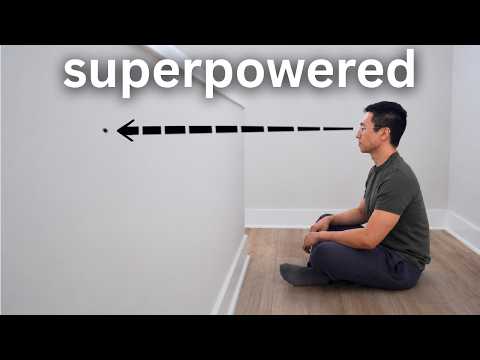
A 10-year-tested attention regimen: start by staring at a dot to strengthen the task-positive network, quiet ego-driven rumination, and produce hyperfocus that boosts social presence.

Practical, science-backed micro habits that protect your attention, energy, and happiness—small actions that compound into lasting change.

A practical system for using pen-and-paper with keyboard and AI to think clearer, learn faster, and protect originality.

A practical breakdown of Maxwell Maltz's Psycho-Cybernetics: shift your self-image with visualization, small targets, and relaxed focus so discipline becomes automatic.

A practical deep dive into lighting for photographers: the three core concepts (quality, strength, direction), light modifiers, natural-light scenarios, and actionable tips to use light for mood, depth, and storytelling.

Practical productivity that reduces stress: prioritize scheduled rest (it fuels the brain’s default mode network), remove distractions instead of adding tools, and use mindfulness and intentional self-talk to focus and

A pro cleaning specialist explains why rag mops and detergents leave sticky residue and demonstrates how to reset and maintain any hard floor using plain water and a microfiber flat mop.

Practical guide to speaking more charismatic and masculine: vocal tone, pacing, eye contact, eliminating filler words and concrete practice drills.

Practical, six-step guidance for reclaiming focus: close open mental loops, delete or delegate low-value commitments, track energy cycles, batch similar work, and decide once so you can complete three critical tasks each

Rob Dial challenges viewers to a 30-day no-complaint practice to rewire negative thinking into gratitude and unlock lasting personal change.

Compact IGCSE Unit 1 revision covering measurements, SI units, kinematics, forces, Hooke’s law and momentum aligned to Cambridge 0625/0972 (2025–2028).

A 37-year homeschool veteran explains how simple, vintage curricula, four core pillars, and family routines raised 15 high-achieving children.