
Topic
Health
Browse nutrition, fitness, hormones, longevity, and health science summaries.

A randomized trial and 6-year follow-up show berberine (600 mg/day, split doses) reduces colorectal adenoma incidence (~23%) and advanced lesions (~50%) in people with prior adenomas.

A concise review of human studies on omega‑3 (fish oil): mechanisms, a 17‑study meta‑analysis showing a small cognitive benefit, memory gains, and sex differences.

A continuous 24-hour 3D anatomy showcase covering organ structure and function — from heart anatomy and cardiac conduction to brain regions and all major body systems. Designed for students and medical institutes as a高清,

A first-person account of heroin addiction, overdose, near-death, and the difficult path back to sobriety.

A look at how coffee has become increasingly sugary — from viral “diabetes in a cup” drinks to Dunkin’s calorie bombs — and why black coffee may be healthier. The video explains risks of sugar-sweetened beverages and how
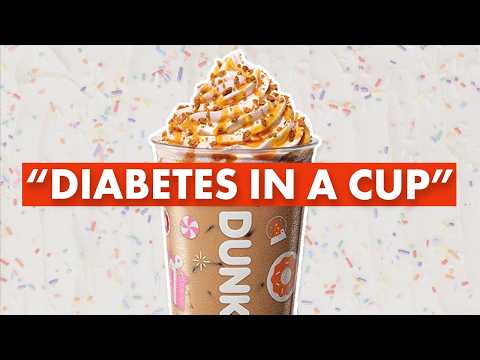
A look at how coffee and soda have become dessert-like, the viral ‘diabetes in a cup’ trend, and the health and cultural forces driving ultra-sugary beverages.

Neurophysiologist Louisa Nicola outlines how lifestyle — creatine, resistance training, sleep, blood pressure control and HRT — can prevent or slow Alzheimer’s starting in midlife.

A biohacking roundtable on peptides, GLP-1s, testosterone, stem cells, air/EMF risks, practical longevity hacks and which interventions actually move the needle.

A five-level, science-backed blueprint to raise VO2 max: fix iron/B12/folate, prioritize active recovery and fueling, pick the right exercise, structure intervals, and avoid injury.

Breaks down four factors linked to arterial plaque regression: lowering LDL/apolipoprotein B, reducing inflammation, lowering blood pressure, and weight loss; exercise is a helpful bonus.

Shows how atherosclerotic plaque and atrial fibrillation can trigger heart attacks in fit people, illustrated by the creator's brother's half‑marathon cardiac event.

Explains why lifelong, heavy endurance training has been linked to more arterial plaque and how occult (24h) high blood pressure may help explain it.

Apex Psychology breaks down the 'man‑child' (puer aeternus): how early praise, fear of failure, and emotional avoidance produce chronic procrastination and a provisional life — and practical steps (exposure to failure,日r

A concise lecture on sterilization vs disinfection for the microbiology lab, covering definitions, factors affecting efficacy, device classification, and physical and chemical methods including heat, filtration, alcohols

Concise clinical overview of Staphylococcus aureus: its microbiology, colonization, virulence factors (toxins, biofilm), and rising antibiotic resistance including MRSA.
A narrated tour of the human life cycle—from birth and newborn adaptation through childhood development, puberty, immunity, aging and the biology of attraction.

Dr. K explains why breakups often feel like losing your identity—especially for men—why 'no contact' isn't always realistic, and practical steps to rebuild self-concept and recover.

Jim Fixx — the running guru who popularized jogging — died at 52 from severe coronary blockages despite running 80 miles a week, revealing how one fitness metric can mask deadly internal risk.

Gül Dölen discusses MDMA experiments on octopuses, how psychedelics may reopen critical periods, and their therapeutic promise for PTSD, rehabilitation, and addiction.

UC Berkeley neuroscientist Dr. Sahar Yousef explains how phones, multitasking, sleep, chronotypes and tiny habits shape focus, memory and burnout — and gives practical, neuroscience-backed fixes.

Clip of Dr. Sahar Yousef describing a 9-week UC Berkeley class (Mind, Machine, and Meaning) where a structured digital detox and behavior-change program reduced anxiety, loneliness and depression while improving students

Why waking at 5 a.m. won’t fix tiredness: sleep quality and your chronotype—not a schedule—determine when you do your best work.

Practical, research-backed ways to activate autophagy without fasting — protein cycling to avoid mTOR activation, mitophagy via urolithin A, high‑intensity exercise, heat exposure, sleep timing, and key nutrients like Mg

This video explains that tinnitus often arises from a brainstem response to low energy in the inner ear. Vitamin B1 (especially allithiamine) and magnesium support inner-ear mitochondrial function and GABA, offering aNon